
Car window tinting is the most popular upgrade by U.S. drivers. It enhances privacy, reduces the glare, increases comfort, and gives better UV protection—especially during long summer trips. To support car owners in purchasing smart, we have drafted this in-depth guide that covers the most car window tinting FAQs.
If you want more detailed information, you may also read The Ultimate Guide to Car Window Tinting for methods, tint percentages, and installation tips.
Car Window Tinting: Why Is It Popular in U.S.?
- Reduces the inside heat by cutting off solar energy
- Protects the skin from the UV rays
- Privacy and security are enhanced
- While driving, the glare is reduced
- Content of your car will last longer with the help of window tinting
Whether you are a new owner of a car or a person who is planning a tint upgrade, these Frequently Asked Questions (FAQ) About Car Window Tinting are the ones that acquaint you with the necessary info.
Car Window Tinting FAQ (Frequently Asked Questions)
The most common concerns of American drivers that have been simplified into a clear Car Window Tinting FAQ format.
It is permitted to tint car windows all over the country, but each state has regulations on how dark the tint should be, reflectiveness, and which windows can be tinted. Most states set the limit for tint by Visible Light Transmission (VLT) percentage.
If the tint is illegal, it can result in you getting a ticket, your car not passing the inspection, or having to take off the tint, so always checking your local state laws before putting the film on is a must.
One of the major benefits of tinting car windows is that it helps in blocking nearly 99% of the UV rays, thus it lowers the heat and also the glare which keeps the interior cool and makes it safer for passengers too because they are protected from bad sun exposure. What is more, privacy is also enhanced as it becomes difficult for the thieves to look into your car.
Quite a few car owners have tinted their vehicles just for the reason of getting comfort as well as for the purpose of car value being raised in the long run.
Usually, the installation time for a sedan ranges from 1 to 3 hours, depending on the type of film and the installer’s skill. The time for larger SUVs or vehicles with several windows may be longer.
The installation must be of good quality—if the work is done cheaply or the installer is in a hurry, it will result later in peeling, bubbles, and a shortened period of the tint.
In general, most high-quality window tints will last 5 to 10 years, whereas a high-end ceramic tint may last longer. The lifetime of a window film depends on the quality of the film, sun exposure, cleaning habits, and installation quality.
Lower quality dyed films usually have a shorter lifespan, so they tend to fade faster and may ask for a replacement sooner.
Ceramic Tint: Best heat rejection, zero signal interference, long lifespan
Carbon Tint: Good heat reduction, non-reflective finish
Metallic Tint: Strong UV protection but may affect GPS/phone signals
Dyed Tint: Budget-friendly but fades quicker
Choosing the right type affects overall performance, comfort, and durability.
Yes, car window tint reduce heat inside the car. They do not allow most of the infrared heat to get through the windows that normally come from outside.
Quite a few American drivers install tints on their windows mainly for the purpose of getting cool interior air during summer.
No, tinting car window will not damage car. Good window tinting installation should not damage your windows, defroster lines, or the car interior. But on the other hand, improper installation or extremely cheap tint may result in adhesive issues or peeling.
The external part of your car can be washed immediately after car window tinting, but do not open the windows or clean the inside glass for at least 5-7 days.
This is the time for the tint to completely cure and thus, it prevents the shifting or bubbling of the film.
It is not uncommon for the newly installed tint to look a bit foggy due to the moisture trapped beneath the film during the installation process. The fog usually goes away within one or two weeks depending on the weather and the type of the film.
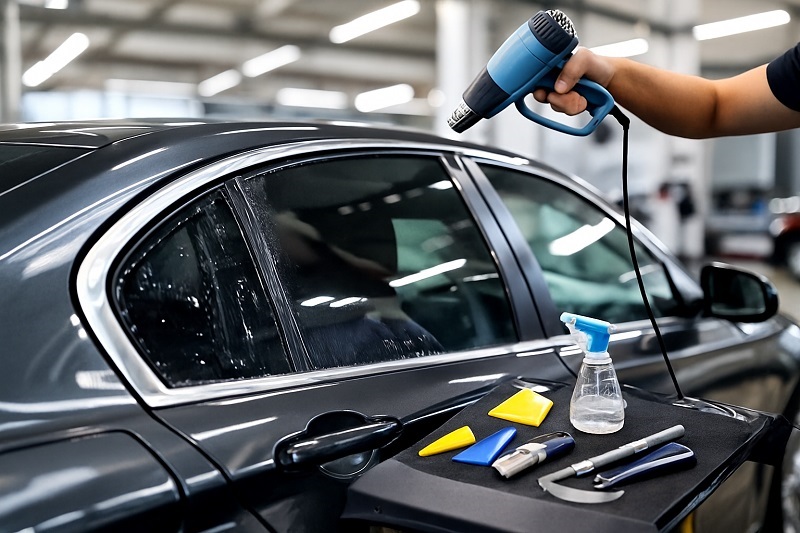
Yes, the removal of window tint is done safely by heating the film and peeling it off with the adhesive left to be cleaned. Most tint shops offer removal services, but with patience and the right tools, you can do it at home as well.
Darker tints can make it harder to see at night, especially if you are looking through the rear window.
Be sure to select a VLT level that is legal and practical so that you can still drive safely at night.
Ceramic and carbon tint will not affect the signals. On the other hand, the metal particles in the metallic tint may cause disruptions since they can block the signals.
The price depends on the kind of film, the size of the vehicle, and the location:
Dyed Film: $100-$200
Carbon Film: $150-$300
Ceramic Film: $250-$600
More money may be charged by premium shops or on a large vehicle.
Yes, Films may block almost 99% of the damaging UV rays, thus making tinting a good protective measure for the skin as well as for the car interior. Drivers with long commutes are the ones who usually opt for ceramic tint to get the maximum UV rejection.
Bubbles or peelings are signs of a bad installation or cheap film. If you got the work done by a reputable shop, they will give you a warranty which means that you can get your film replaced free of charge.
Most of the drivers go for 20%-35% as it gives them the right balance between privacy and visibility. Make sure that the tint percentage you choose is legal in your state and that it allows safe driving at night.
Usually, tint curing takes 3-7 days, but cold weather may extend this period up to two weeks.
During the curing period, it is better not to open the windows.
Tint is inside the car in order to be safe from weather, wind, and dirt. Installers cut the film from the outside but apply it inside for longevity.
Most of the U.S. states allow a small tinted strip at the top of the windshield only. Full windshield tinting is almost always illegal except for very light, clear UV-blocking films.
It can—especially if the tint is high-quality and professionally installed.
Tint enhances comfort, appearance, and UV protection, making your car more appealing to buyers.
Final Thoughts
The questions answered in this article concerning car window tinting are those which concern to a greatest extent the drivers in U.S. and who are in a hurry to install tint. If you are looking for information about the kinds of films, the legal limits, the cost or the upkeep, this FAQ guide for car window tinting will help you to figure out the next step.